How Granite Forms and Why Slabs Differ
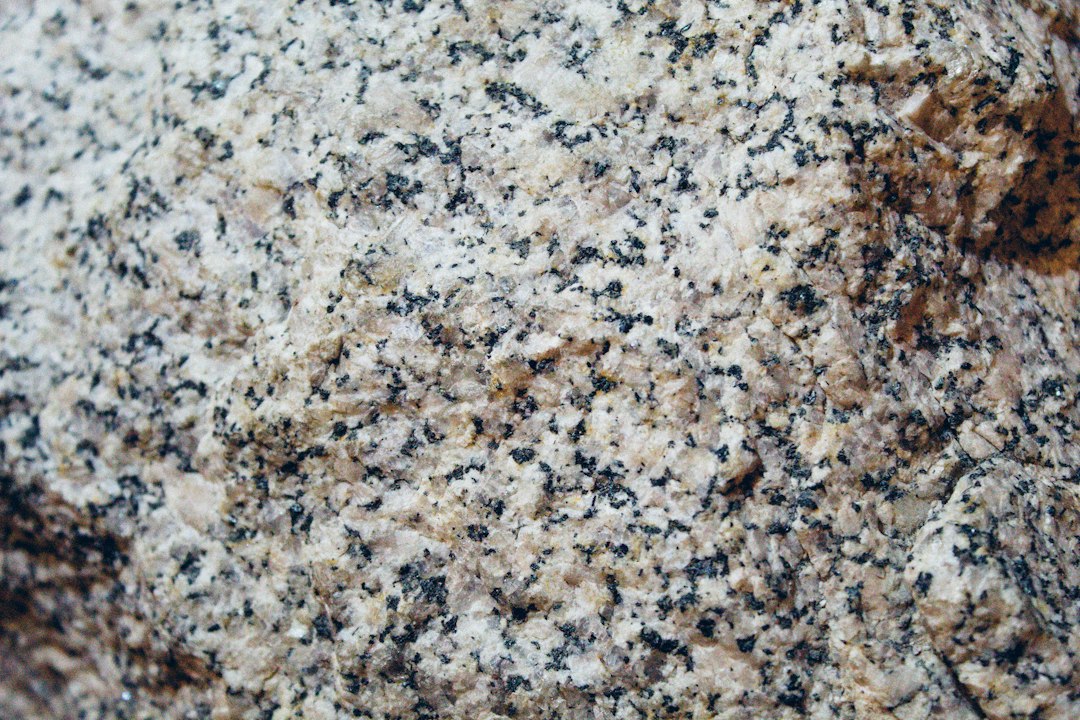
When two kitchens order the same granite by name, the slabs can still arrive looking different, and the running record riverside granite countertops petridishnews holds shows that the cause lies in how the stone formed. A granite countertop in Riverside, CA is cut from rock that cooled slowly deep underground, and the speed of that cooling, the minerals present and the part of the quarry the block came from all change what the slab looks like.
Cooling and crystal size
Granite forms when magma cools slowly below the surface. Slow cooling gives crystals time to grow, which is why granite shows visible grains of quartz, feldspar and mica. Fast cooled rock has smaller crystals and a finer look. The grain size you see on a countertop is a record of that cooling.
Minerals and color
Feldspar gives most of the color, from white and cream to pink and salmon. Quartz appears gray or clear. Dark minerals like biotite and hornblende add black specks. A slab with more feldspar reads warmer; one with more dark minerals reads busier.
Trade names versus geology
Stone yards sell slabs under trade names, and some stones sold as granite are geologically gneiss, gabbro or other rocks. They behave much like granite on a counter, but their patterns and porosity can vary more.
Why lots differ
A quarry face changes as it is cut deeper. Blocks taken months apart can shift in color and pattern. That is why a homeowner chooses actual slabs in the yard, and why a remnant from the same lot is kept for later work.
Local stone history
Granite is not foreign to the area. The boulders on Mount Rubidoux and across the Box Springs Mountains are granitic rock, part of the same family of stone that sits in many Inland Empire kitchens, though countertop slabs usually come from quarries far away.
Reading a slab in the yard
Crystal size, mineral bands and darker clusters called inclusions are visible before a slab is cut. A slab with a seam of loosely bound crystals, called a fissure, needs a closer look, since a fissure near a sink cutout is where a crack is most likely to start. Walking the full length of the slab and running a hand across the surface shows how smooth it is.