Granite Colors and Grain in Kitchen Light
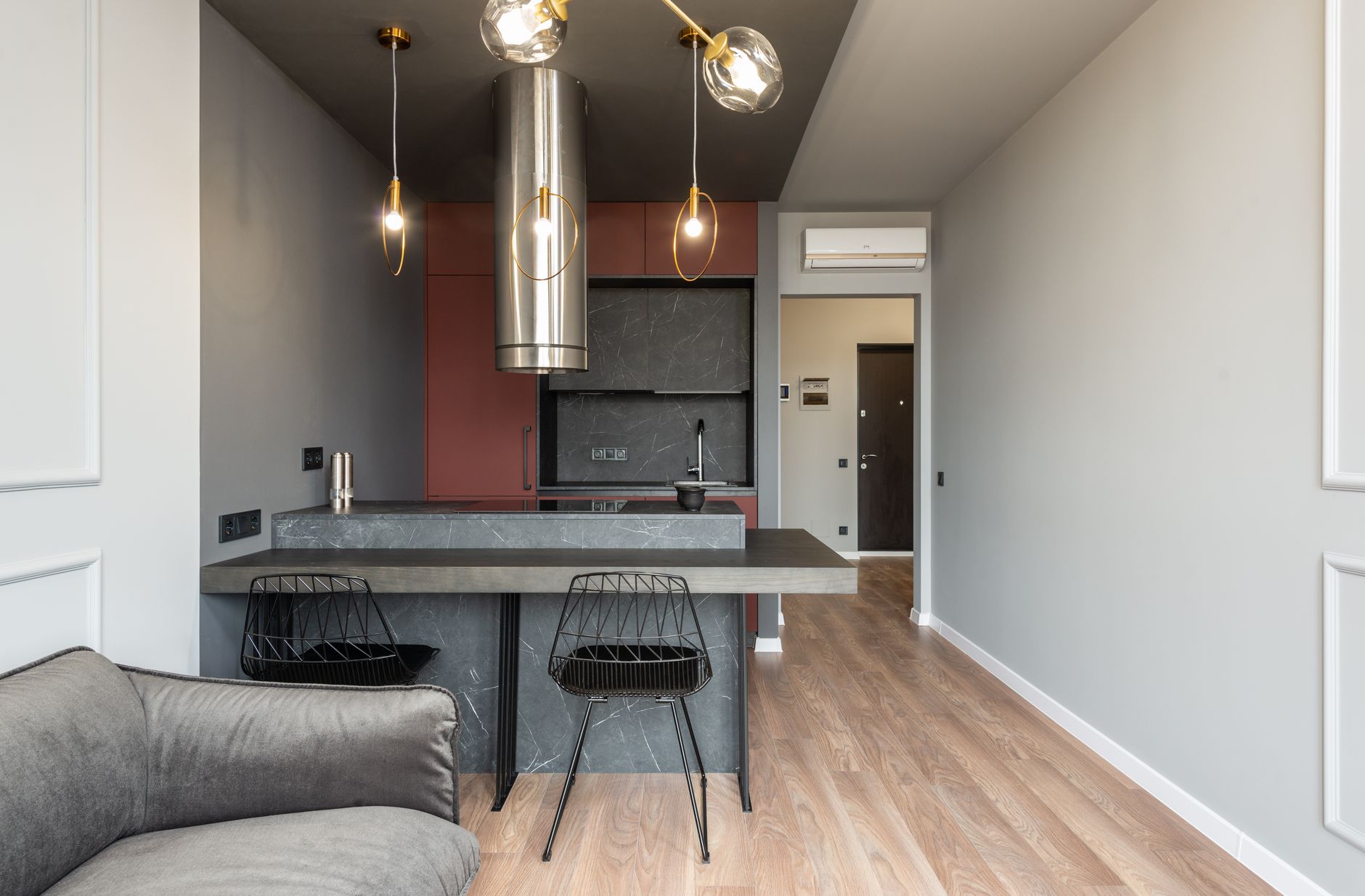
Under warm evening bulbs a speckled granite reads almost solid, while the same granite countertop under bright north window light in a Riverside, CA kitchen shows every crystal, a difference worth seeing before choosing (the notes at riverside granite countertops petridishnews track how each family behaves) because the slab will be seen in both lights for years. Color and grain choice is as much about the room as the stone.
Speckled granites
Speckled granites have evenly scattered crystals. They hide crumbs, water spots and seams well, which makes them practical in busy family kitchens. Under strong light they look lively; under soft light they settle into one tone.
Veined and moving granites
Some granites have swirls or bands of color. They make a bold statement on an island but need careful seam placement, because a band that stops at a joint draws the eye.
Dark and black granites
Black and very dark granites look sleek and show fingerprints, water marks and dust more than light stones. In kitchens near Fairmount Park with big west windows, low sun shows every streak on a dark polished top.
Light granites
White and cream granites brighten small kitchens. Some are more porous and need sealing more often, and oil can darken them if spills sit.
Seeing a slab in the right light
Slab yards are lit differently from homes. Taking a sample home, or photographing the slab near a window at the yard, gives a better idea. Holding a cabinet door and a floor sample against the slab shows how the granite works with the other finishes in the room.
Edge profile and color
An eased edge keeps the color uniform to the corner, while a deep ogee or bullnose catches light and looks lighter along the curve. On a veined slab, the edge profile cuts through the pattern and shows how far the color runs into the stone. Seeing a sample edge next to the face avoids surprises after the slab is fabricated.
Mixing granite with other counters
An island in a different slab than the perimeter is common. The two stones should share a tone, either warm or cool, so the pair reads as chosen on purpose. A quartz island beside granite is easiest when the quartz picks up a color found in the crystals of the granite.